
Hydraulic fluid is the central working medium that powers millions of machines around the world. From aircraft flight controls to excavator booms, car braking systems, manufacturing presses, and agricultural tractors—hydraulic systems are everywhere, and they all rely on hydraulic fluid to function safely and efficiently.
This long-form guide explains everything about hydraulic fluid across multiple industries, including composition, purpose, color coding, maintenance, and safety considerations.
Whether you are an aviation AME, automotive technician, construction equipment operator, or industrial maintenance engineer, this article provides the knowledge you need.
What Is Hydraulic Fluid?
Hydraulic fluid is a specially formulated liquid used to transmit power in hydraulic systems. Because it is nearly incompressible, it can transfer force instantly and efficiently.
Hydraulic fluid is used in:
- Aviation: flight controls, landing gear, brakes
- Automotive: power steering, brake systems, hydraulic suspension
- Construction: excavators, loaders, cranes, dump trucks
- Manufacturing: presses, injection molding machines, robotic systems
- Agriculture: tractors, combine harvesters, hydraulic lifts
- Marine: steering, deck machinery, winches
Example:
When an excavator operator moves the joystick, hydraulic fluid pushes the boom, bucket, or arm through high-pressure lines. In an aircraft, hydraulic fluid powers large flight control surfaces like elevators, rudders, and spoilers with minimal pilot effort.
What Is Hydraulic Fluid Made Of?
Hydraulic fluid consists of base oils and additives, carefully formulated depending on industry requirements.
1. Base Oils
a. Mineral Oil-Based (Most Common Across Industries)
Used in automotive systems, construction machines, and many industrial applications.
Advantages:
- Low cost
- Good lubrication
- Widely available
b. Synthetic Oils
Engineered for high performance and extreme environments.
Examples:
- Phosphate esters (aviation fire-resistant fluids like Skydrol)
- Polyalphaolefin (PAO) synthetic blends
- Esters for biodegradable applications
c. Water-Based Hydraulic Fluids
Used in fire-sensitive industries such as steel mills.
Examples:
- Water-glycol mixes
- High-water content fluids
d. Biodegradable Oils
Popular in agriculture, forestry, and marine industries to minimize environmental damage.
2. Additives
Additives enhance performance and protect the system:
- Anti-wear agents
- Corrosion inhibitors
- Anti-foam agents
- Oxidation stabilizers
- Viscosity improvers
- Seal conditioners
Example:
A tractor working in muddy fields needs anti-rust additives.
An aircraft hydraulic system needs anti-foam and fire-resistant additives.
An industrial press needs anti-wear additives for continuous heavy load operation.
What Does Hydraulic Fluid Do?
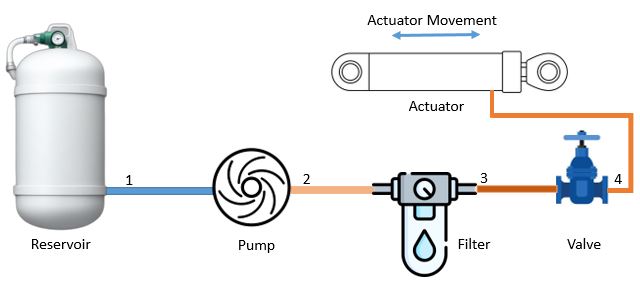
Hydraulic fluid performs essential functions across all industries.
1. Power Transmission
The main role of hydraulic fluid is to transmit power from pumps to actuators.
Examples:
- Aviation: powering landing gear retraction
- Automotive: enabling power steering
- Construction: lifting loads with loader arms
- Manufacturing: operating hydraulic presses
2. Lubrication
It reduces friction in pumps, valves, and cylinders.
Example:
In an injection molding machine, hydraulic fluid lubricates the pump and keeps the system running continuously during production cycles.
3. Cooling
Hydraulic systems generate heat because of friction and pressure. The fluid absorbs and removes this heat.
4. Contamination Control
Fluid suspends small particles and carries them to filters for removal.
5. Protection
It prevents:
- Corrosion
- Rust
- Wear
- Oxidation
This is crucial for long-term system health.
What Color Is Hydraulic Fluid?

Color varies by fluid type and industry to help identify leaks and prevent cross-mixing.
Common Colors
- Red: mineral-based aviation fluids (e.g., MIL-5606), some automotive ATFs
- Purple: aviation phosphate ester fluids (e.g., Skydrol)
- Amber/Yellow: industrial and heavy-equipment oils
- Green: environmentally friendly or biodegradable fluids
- Clear: general-purpose hydraulic oils
Industry Examples
- Aircraft technicians quickly identify purple leaks as phosphate ester fluid (Skydrol).
- Construction machines often leak amber/yellow fluid.
- ATF (red) leaking in a car helps diagnose steering or transmission issues.
How to Check Hydraulic Fluid

The general procedure is similar across industries but follows specific manuals.
Universal Steps for Checking Hydraulic Fluid
- Park the machine and remove system pressure.
- Locate the reservoir dipstick, sight glass, or level gauge.
- Check the level—it must be within the recommended range.
- Inspect fluid condition:
- Milky (water contamination)
- Dark/burnt (oxidation)
- Particles (wear or contamination)
- Top up only with approved fluid for that system.
Examples from Different Industries
Aviation
Hydraulic quantity must be checked with systems depressurized, often using temperature-compensated gauges.
Automotive
Cars with power steering use dipsticks marked HOT/COLD range.
Construction
Excavators have transparent tanks showing MIN/MAX levels.
Industrial Plants
Hydraulic oil tanks include built-in level indicators monitored daily.
Is Hydraulic Fluid Flammable?
Hydraulic fluid can be flammable, depending on the type.
1. Mineral Oil-Based Fluids
- Flammable
- Common in automotive and heavy equipment
2. Synthetic Fire-Resistant Fluids (Aviation & Industry)
- Low flammability
- Used where fire risk is high (aircraft, steel mills, foundries)
Examples
- Aviation uses phosphate ester fluids (e.g., Skydrol) because they are fire-resistant.
- Steel factories use water-glycol fluids because molten metal can ignite oil.
Does Hydraulic Fluid Freeze?
Hydraulic fluid can thicken or freeze at low temperatures.
Different industries use different fluids for cold operation.
Mineral Oils
- May thicken below –20°C to –40°C
- Used in automotive and construction machinery
Synthetic Fluids
- Stay fluid at lower temperatures
- Aviation fluids may operate safely below –50°C
Water-Based Fluids
- Freeze more easily unless treated
Examples
- Aircraft flying at high altitude need low-freezing-point fluids.
- Construction equipment in winter requires winter-grade hydraulic oil.
- Agricultural equipment operated in snowy climates uses low-temperature blends.
How to Change Hydraulic Fluid
The method varies by industry, but the general process is similar.
Steps to Change Hydraulic Fluid
- Park and depressurize the system.
- Drain the old fluid from reservoir and lines.
- Replace hydraulic filters (return, pressure, inline).
- Clean reservoir if necessary.
- Refill with correct hydraulic fluid specified for the machine.
- Bleed air from the system by operating actuators slowly.
- Check for leaks and confirm system performance.
Industry Examples
Aviation
Changing fluid requires strict contamination control, approved tools, and AMM compliance.
Automotive
Power steering fluid or brake fluid replacement requires bleeding procedures.
Construction Equipment
Large tanks (100–300 liters) must be drained with cranes or specialized pumps.
Manufacturing
Hydraulic presses require oil sampling and cleanliness certification after replacement.
How to Get Hydraulic Fluid Out of Clothes

Hydraulic fluid can stain clothing, especially synthetic or phosphate-ester fluids.
Cleaning Steps
- Blot the stain with absorbent cloth.
- Apply degreaser or heavy detergent.
- Scrub gently with warm water.
- Wash separately in a machine.
- Air-dry and repeat if necessary.
Examples
- Workers in construction often struggle with oil-stained uniforms.
- Aviation technicians dealing with Skydrol may require chemical-resistant clothing.
Is Hydraulic Fluid the Same as Hydraulic Oil?
No — they are related but not identical.
Hydraulic Oil
- Usually petroleum-based
- Used in cars, tractors, excavators, forklifts
Hydraulic Fluid
A broader term that includes:
- Synthetic fluids
- Water-based fluids
- Fire-resistant fluids
Example
Aircraft use hydraulic fluid, not hydraulic oil, because they require fire resistance.
Excavators typically use hydraulic oil, not synthetic aviation fluid.
Conclusion
Hydraulic fluid is essential across all modern industries, powering systems that move aircraft, vehicles, construction machines, and manufacturing equipment. Although different industries use different fluid types—mineral oils, phosphate esters, water-based blends, or biodegradable oils—the core functions remain the same: transmitting power, lubricating components, cooling systems, and preventing damage.
Understanding hydraulic fluid is critical for safe and efficient machine operation.
Whether you work in aviation, automotive repair, heavy equipment maintenance, industrial plants, or agriculture, selecting the correct hydraulic fluid and maintaining it properly ensures system reliability, reduces downtime, and extends equipment life.



1 thought on “Hydraulic Fluid- A knowledge incresing article for engineers”
Comments are closed.