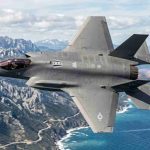
When we look up and see an aircraft flying thousands of feet above the ground, most of us admire its speed, size, and engineering brilliance. But rarely do we think about one crucial factor that makes flight possible — the materials used to build the aircraft. Every bolt, wing panel, and engine component is carefully designed using materials that must withstand extreme temperature changes, high pressure, and enormous mechanical stress.
Aircraft materials are not just about strength; they are about balancing strength, weight, durability, and safety. A small change in material selection can affect fuel efficiency, maintenance cost, and even passenger safety. Let’s explore the fascinating world of aircraft materials and discover why they are one of aviation’s greatest engineering achievements.
Why Aircraft Materials Matter So Much
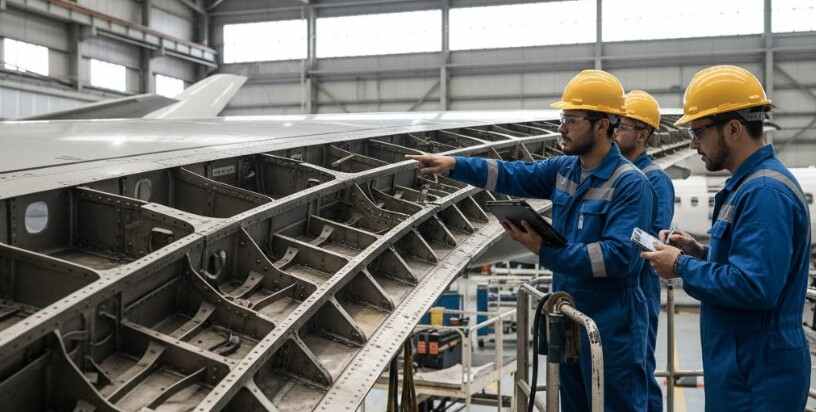
Aircraft operate in one of the most demanding environments. At cruising altitude, temperatures can drop below –50°C, while parts of the engine can reach temperatures above 1,000°C. The aircraft structure must also handle turbulence, pressure differences, and constant vibration.
The biggest challenge in aircraft design is to make the aircraft strong yet lightweight. A heavier aircraft requires more fuel, which increases operating costs and reduces efficiency. Therefore, engineers continuously search for materials that provide maximum strength with minimum weight.
Additionally, aircraft materials must resist corrosion, fatigue, and environmental damage. Unlike many machines, aircraft cannot afford sudden material failure, as safety is the highest priority in aviation.
The Evolution of Aircraft Materials
The journey of aircraft materials reflects the evolution of aviation itself.
Wood and Fabric Era
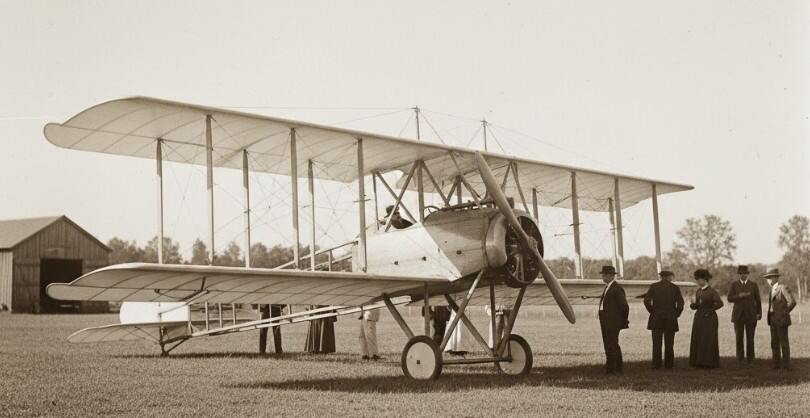
The earliest aircraft, such as the Wright Flyer, were built using wood frames covered with fabric. These materials were lightweight and easy to shape but lacked durability and strength for modern aviation demands.
Aluminum Revolution
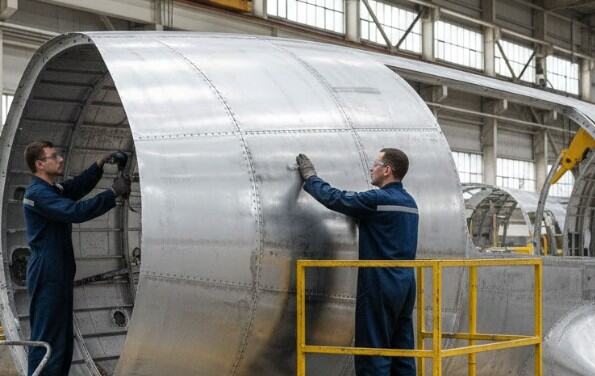
During the 1930s and World War II, aluminum became the dominant aircraft material. Aluminum alloys offered excellent strength-to-weight ratio and corrosion resistance, making them ideal for aircraft structures.
Modern Composite Age
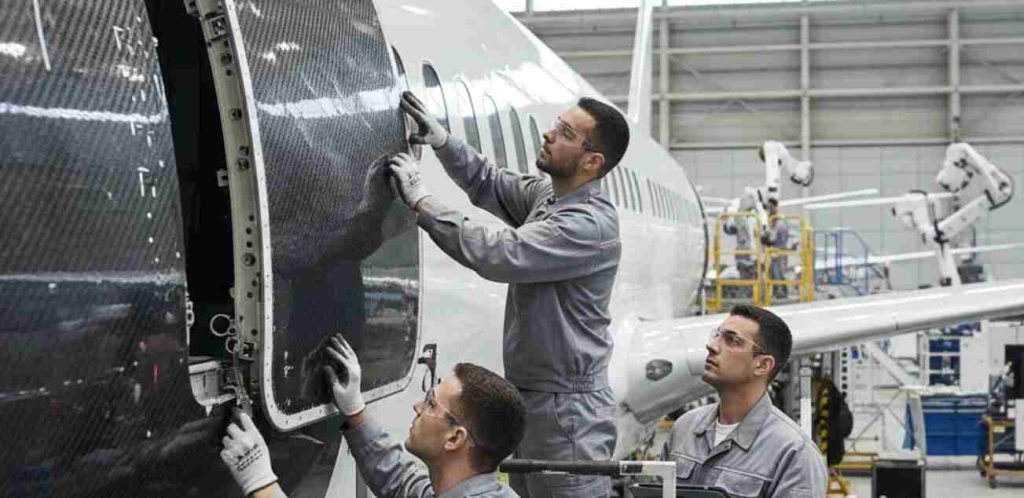
Today, modern aircraft like the Boeing 787 and Airbus A350 use advanced composite materials. These materials are lighter, stronger, and more resistant to fatigue than traditional metals, marking a new era in aviation technology.
Common Materials Used in Aircraft Construction
1. Aluminum Alloys – The Aviation Workhorse
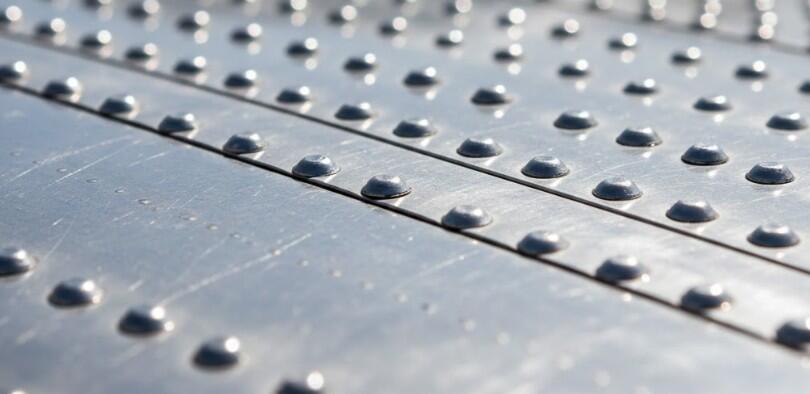
Aluminum remains one of the most widely used aircraft materials. It is lightweight, relatively inexpensive, and easy to manufacture. Aluminum alloys also provide good corrosion resistance and are used in aircraft fuselage, wings, and structural components.
However, aluminum has limitations, especially in extremely high-temperature environments like jet engines.
2. Titanium – The High-Strength Performer

Titanium is known for its exceptional strength and ability to withstand high temperatures. It is commonly used in jet engine components, landing gear, and areas exposed to intense stress.
Although titanium is stronger and more corrosion-resistant than aluminum, it is expensive and difficult to machine. Therefore, it is used selectively in critical aircraft parts.
3. Steel – Strength Where It Matters
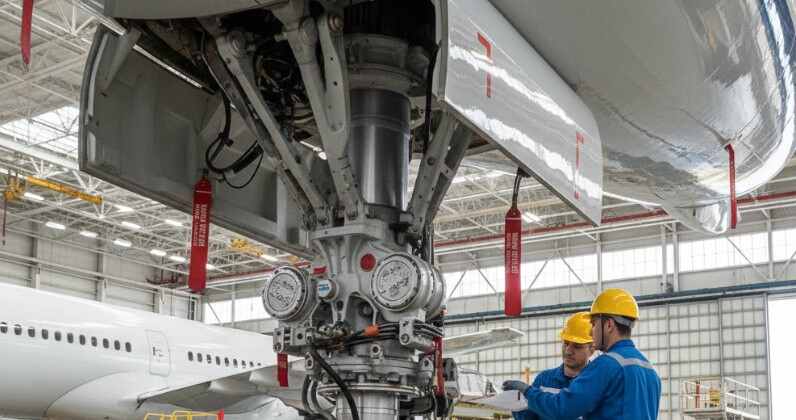
Steel is heavier than aluminum and titanium but provides unmatched strength and durability. It is commonly used in landing gear, fasteners, and engine components where maximum strength is required.
Steel components must be carefully protected against corrosion, especially in humid or salty environments.
4. Composite Materials – The Future of Aviation
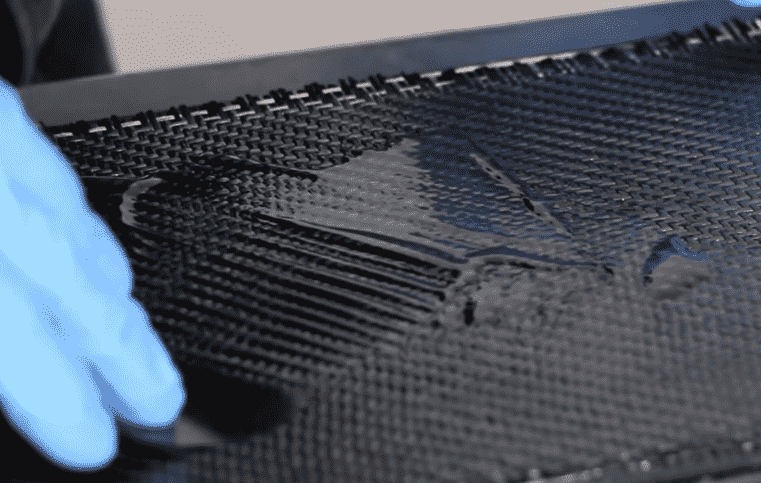
Composite materials, such as carbon fiber reinforced polymers (CFRP), have transformed modern aircraft design. These materials combine fibers with resin to create structures that are extremely strong and lightweight.
Composites offer several advantages:
- Reduced aircraft weight
- Improved fuel efficiency
- Increased corrosion resistance
- Greater design flexibility
However, composites require specialized manufacturing and repair techniques, which can increase maintenance complexity.
How Aircraft Materials Handle Extreme Conditions
Aircraft materials must survive conditions that would quickly damage ordinary materials.
Temperature Resistance
Aircraft components experience drastic temperature variations. Materials used in engines must tolerate extreme heat, while external structures must resist freezing temperatures at high altitude.
Fatigue Resistance
Aircraft structures experience repeated stress during takeoff, flight, and landing cycles. Over time, this stress can cause fatigue cracks. Engineers design materials and structures to minimize fatigue and ensure long service life.
Corrosion Protection
Moisture, salt, and environmental pollutants can cause corrosion. Special coatings, treatments, and corrosion-resistant materials help protect aircraft components and maintain structural integrity.
The Role of Material Testing in Aviation Safety
Before any material is approved for aircraft use, it undergoes extensive testing. Engineers test materials for strength, fatigue resistance, impact resistance, and temperature performance.
Non-destructive testing methods such as ultrasonic testing, X-ray inspection, and dye penetrant inspection help detect hidden defects without damaging the material. These testing methods ensure aircraft materials remain safe throughout their operational life.
Environmental and Economic Impact of Aircraft Materials

Modern aircraft materials also play a major role in reducing environmental impact. Lightweight materials reduce fuel consumption, which lowers carbon emissions. Airlines benefit from improved fuel efficiency and reduced operating costs.
Additionally, researchers are exploring recyclable composite materials and sustainable manufacturing processes to make aviation more environmentally friendly.
Challenges in Using Advanced Aircraft Materials
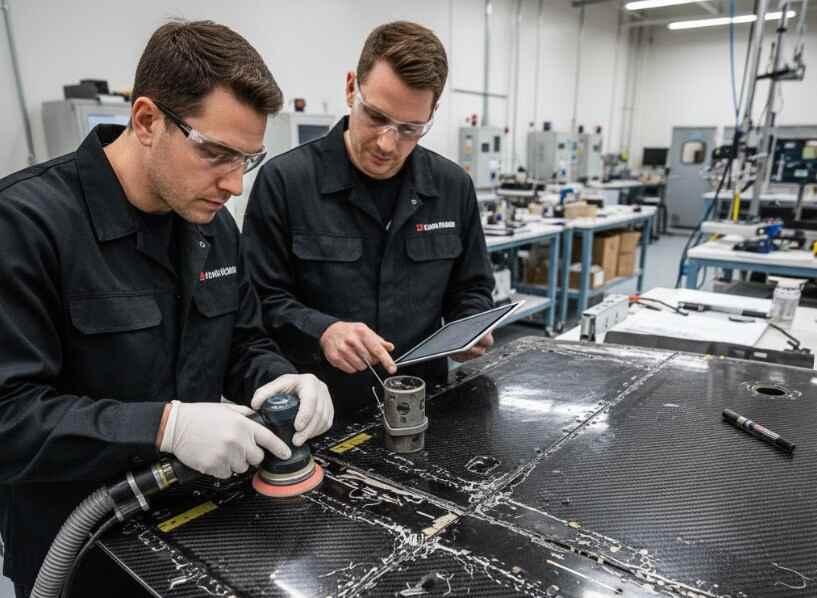
While modern materials provide many advantages, they also introduce challenges. Composite materials, for example, can be difficult to repair after damage. Detecting internal damage in composites requires advanced inspection techniques.
Manufacturing advanced materials often involves high costs and complex processes. Engineers must carefully balance performance benefits with economic feasibility.
The Future of Aircraft Materials
The aviation industry continues to explore innovative materials that could transform aircraft design. Some promising developments include:
- Nanomaterials that provide exceptional strength and durability
- Smart materials that can detect and repair damage automatically
- Advanced heat-resistant materials for next-generation jet engines
- Sustainable and recyclable materials to reduce environmental impact
These technologies could lead to lighter, safer, and more efficient aircraft in the future.
Conclusion: The Invisible Backbone of Aviation
Aircraft materials may not be visible to passengers, but they form the backbone of aviation safety and performance. From aluminum structures to advanced carbon fiber composites, each material is carefully selected to withstand the harsh realities of flight.
As aviation technology continues to advance, the development of new aircraft materials will play a crucial role in shaping the future of air travel. The next time you see an aircraft soaring across the sky, remember that behind its graceful flight lies a remarkable combination of science, engineering, and material innovation.